
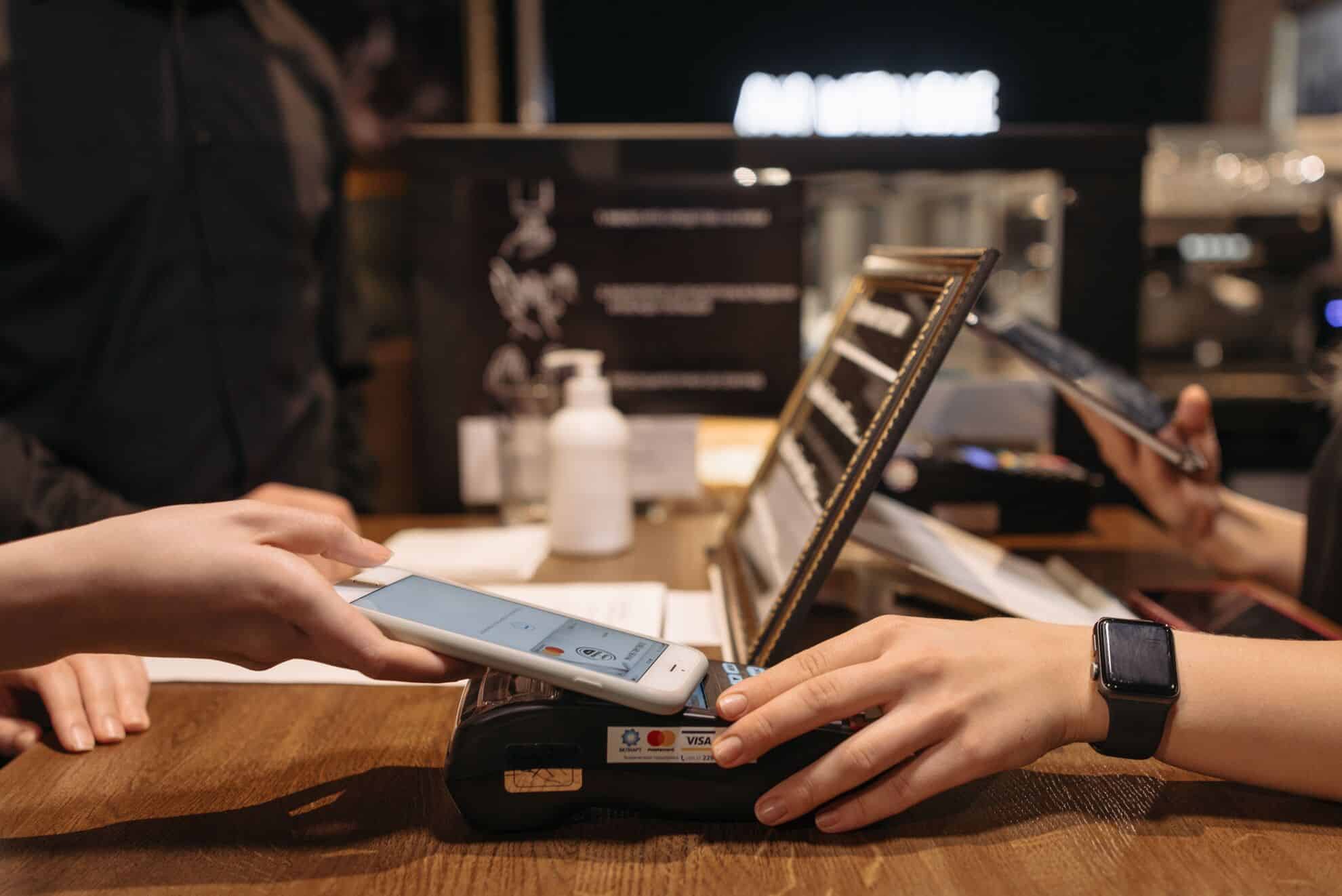
Picture a freelancer in Manila who gets paid in USDC by a US client. Buying groceries used to take her three steps: send the funds to an exchange, sell them, and wait for a bank withdrawal. With a stablecoin card, she taps once at the checkout.
Stablecoin-linked card programs are expanding. In an October 1 announcement, Visa said it supported more than 160 stablecoin-linked card programs covering consumer, business and commercial payments. Payment volume across those programs grew nearly 200% year over year.
Few people who use these cards could say what happens between the tap and the merchant’s payout. That gap determines what a purchase really costs, who holds your money, and what you can recover if something goes wrong.
What exactly is a stablecoin card?
A stablecoin card is a physical or virtual payment card that draws on a balance of stablecoins instead of a bank account. It runs on networks such as Visa and Mastercard, so it works at shops that have never touched crypto.
Stablecoins are digital tokens designed to hold a steady value. Two widely used dollar stablecoins are USDC and USDT, which aim to stay at one US dollar per token, so 100 USDC should be worth about $100. Unlike Bitcoin, they aren’t meant to swing in price, but that stability depends on the issuer’s reserves and isn’t guaranteed.
The card’s job is to make that balance spendable without the cardholder having to think about it. To see where the differences between cards come in, it helps to follow a single purchase.
How does a stablecoin card work when you pay?
Imagine you have 100 USDC in your wallet and want to buy a $25 meal.
You tap your card at the restaurant, and the provider checks that you have enough funds. Depending on the program, the provider may convert the stablecoin balance or use it to fund the card transaction. Assuming no fees and a one-to-one rate, you’d have about 75 USDC left.
To you, it feels like a normal card purchase. You don’t send crypto to the restaurant, and the restaurant doesn’t need a crypto wallet. Visa makes the same point in its analysis of stablecoin-linked cards: from the cardholder’s side, the card behaves like any other Visa card, and the new part happens behind the scenes.
Not every stablecoin card works the same way, though. Some are custodial: you deposit stablecoins with the provider, which holds them and converts them when you spend. Others connect to a wallet you control, so your funds stay with you until the moment of purchase.
You can use a stablecoin card for most of the same purchases as a regular card, as long as the program supports the merchant and your location.
Where can you use a stablecoin card?
For everyday spending, that means groceries, meals and local shops. A virtual card can also cover online purchases, subscriptions and digital services. Travel is another use: someone holding USDC could pay a hotel or restaurant bill abroad, with the provider handling the currency conversion, though foreign exchange fees may apply.
Small businesses are using them too. A design studio holding client payments in USDC can give staff cards for travel and software subscriptions instead of converting the balance to a bank account first. In an October 2026 release, Visa said roughly 17% of stablecoin-linked card volume so far in fiscal 2026 came from business and commercial cards.
All of this depends on the provider’s supported countries, card network and account requirements. A stablecoin card does not guarantee worldwide acceptance.
How is a stablecoin card different from a regular debit card?
The biggest difference is where your funds are held.
A regular debit card is linked to a bank account holding traditional money. A stablecoin card usually draws on a stablecoin-funded balance or wallet, and the provider uses that value to cover each purchase.
Both feel the same at checkout, but the protections are different. As Stripe explains, card network protections apply at the point of sale, but stablecoin balances may not be covered by bank-deposit guarantees. That matters if a provider runs into financial trouble or a stablecoin loses its intended value. StableCard News has examined what happens when a card program fails and who gets the money back.
Who offers stablecoin cards?
Stablecoin cards come from a mix of crypto apps, fintech companies and payment platforms, and each plays a different role. Visa and Mastercard run the payment networks. Stripe provides the infrastructure businesses use to build card programs, and its issuing product lets apps such as the Phantom wallet offer cards that spend directly from users’ balances. Consumer brands such as Oobit manage the app you actually use. Mastercard deepened its own role by completing its acquisition of stablecoin infrastructure firm BVNK in August 2026.
The company whose logo is on the card is often not the one that legally issues it. Stripe states that cards on its platform are issued by its bank partners under licenses from Visa and Mastercard. Before applying, check the provider’s terms to see which bank issues the card, which stablecoins are supported and where the card works.
What are the benefits of using a stablecoin card?
The main benefit is spending stablecoins without manually converting them before each purchase. For people already paid in USDC or USDT, that removes several steps between earning money and using it.
Businesses get a way to spend stablecoin balances through existing card systems, without asking every supplier to accept crypto. And because stablecoins move around the clock, Stripe notes, programs built on them aren’t tied to banking hours or cutoff times.
International spending can also be cheaper, especially when your funds are already in digital dollars. Lower costs aren’t guaranteed, though. Some cards charge conversion fees or use exchange rates that make purchases more expensive than they first appear.
What should you check before getting a stablecoin card?
Start with the total cost. Providers may charge for converting stablecoins, spending abroad, withdrawing cash or keeping an account open. Even a card advertised as fee-free can carry a charge inside its exchange rate. Stripe, for example, says its cardholders can avoid FX markups and cross-border fees when spending in the country where they completed identity verification. Outside that country, the terms can be different.
Next, check which stablecoins and blockchains the card supports. A card that accepts USDC may not take USDT, and some providers only work on certain networks.
Then look at custody. With some cards, the provider holds your stablecoins. With others, the funds stay in your own wallet until you pay, which gives you more control but also makes you responsible for keeping that wallet secure. Neither setup is risk-free: stablecoins can lose value, services can go down and accounts can be restricted for security or compliance reasons.
Finally, check how refunds and disputes work. If you’re refunded in stablecoins, the amount returned may differ from what you spent once exchange rates and conversion fees are factored in.
Are stablecoin cards regulated?
In the US, the GENIUS Act, signed in July 2025, establishes a federal framework for payment stablecoin issuers, covering reserves, redemption and supervision. Regulators are still writing the detailed rules. The OCC finalized its rule for issuers under its jurisdiction in October 2026; both the Act and that rule take effect on January 18, 2027. In Europe, the MiCA regulation already governs which stablecoins regulated firms can offer.
The law regulates the company issuing the stablecoin, not the card itself. Card programs still answer to network rules, their bank partners and consumer-protection law, so a well-regulated stablecoin doesn’t automatically mean a well-run card.
Do you need a stablecoin card?
A stablecoin card makes the most sense if you already hold or regularly receive stablecoins. If you’re paid in USDC, receive money from abroad or manage business funds in stablecoins, a card can save you from repeatedly moving money through an exchange and a bank.
If your money is already in a bank account and your debit card works well, a stablecoin card may add little.
What to watch now is the gap between how simple the card feels and how many companies stand behind it. As Visa, Mastercard and Stripe make these cards easier to launch, more apps will offer them. The useful question for readers won’t be whether a card “uses stablecoins.” It will be who holds your funds, what the conversion really costs and who you call when a payment goes wrong.
Read more: Rain’s $250 million round prices stablecoin card plumbing • Why people actually use stablecoin cards